Platypus Under Threat
Unfortunately platypus now face many threats thanks to the impacts of European settlement. Please raise awareness of these threats and do your best to help our platypus populations.
WARNING, the following section contains some distressing images.
Waterway Erosion
Erosion is a big problem for platypus, as well as other native species, and can be caused by multiple factors. We have previously discussed how unsupported riverbanks can fall victim to erosion. A riverbank can become unsupported when riverbank vegetation is cleared or dies.
Farming is a big contributor to platypus habitat destruction, particularly cattle farming. Large scale land clearance and allowing hard-hoofed, heavy cattle access to waterways results in riverbank destabilisation and significant erosion. Over time, the river widens and becomes shallow and polluted and unsuitable for native species.
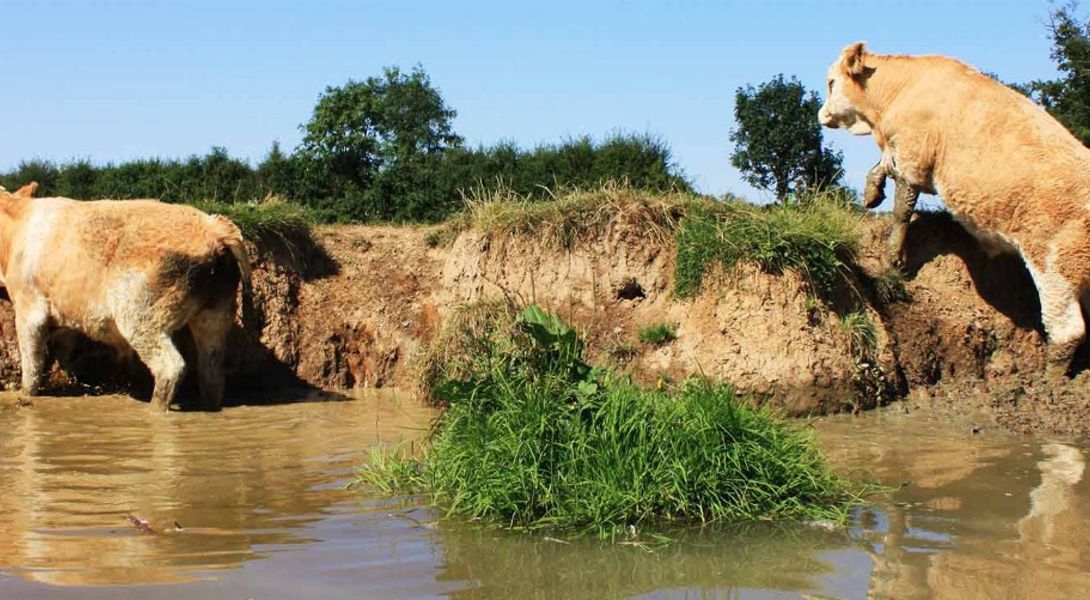
Invasive weeds are also a big contributor to waterway erosion. Seeds can travel along waterways, impacting downstream habitats. Invasive weeds can smother and kill native vegetation, including tall trees, depriving waterway habitats of protection and shade and impacting stability as the tree roots die. With no canopy protection, the light floods in and weeds are able to take over the area causing further degradation to the bank due to shallow roots, tuber roots and annual die off. These growth factors leave empty space beneath the surface of the soil which eventually collapse under the pressure of sun-baking and water flow. Not only is the riverbank degraded and platypus burrows possibly destroyed, but the sediment entering the water fills platypus pools, and covers up all the rocks on the bottom of the creek. The water becomes discoloured and thick with sediment which impacts dissolved oxygen levels making is harder for aquatic species to navigate and survive. this can have a big impact of waterbugs and those animals that rely on them for food.
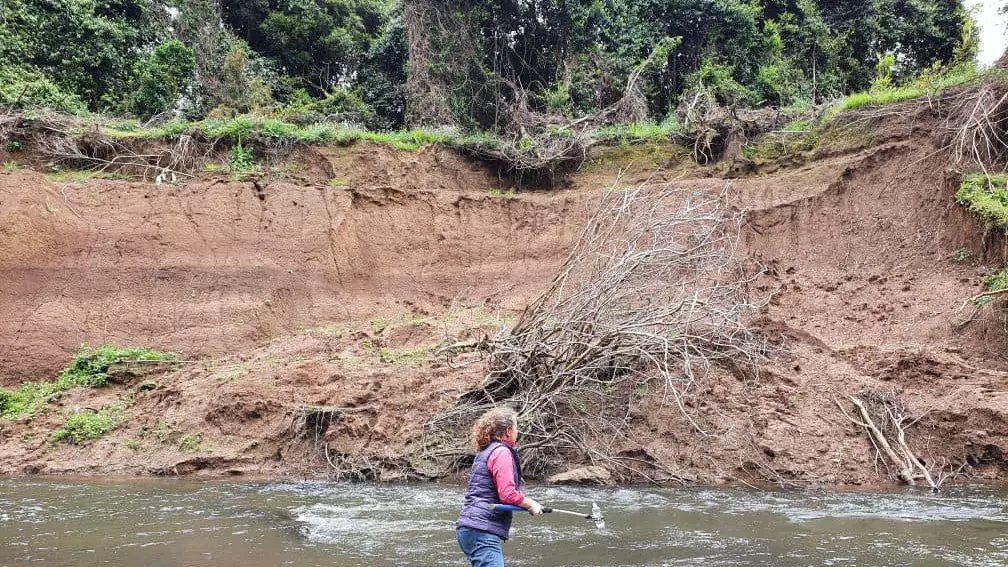
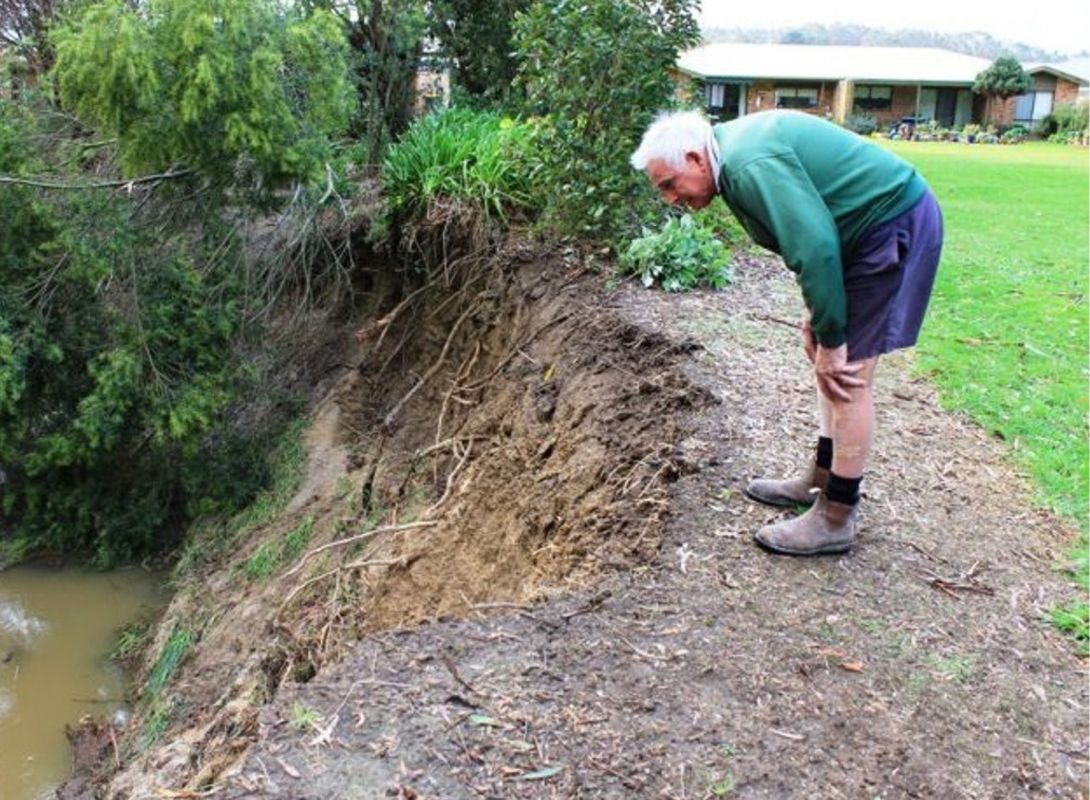
Domestic land clearing is also a big contributor to creek erosion. Those who live along waterways should ensure that they plant plenty of stable rooted, locally native vegetation along the water’s edge to maintain water quality and help platypus and other creek dwellers.
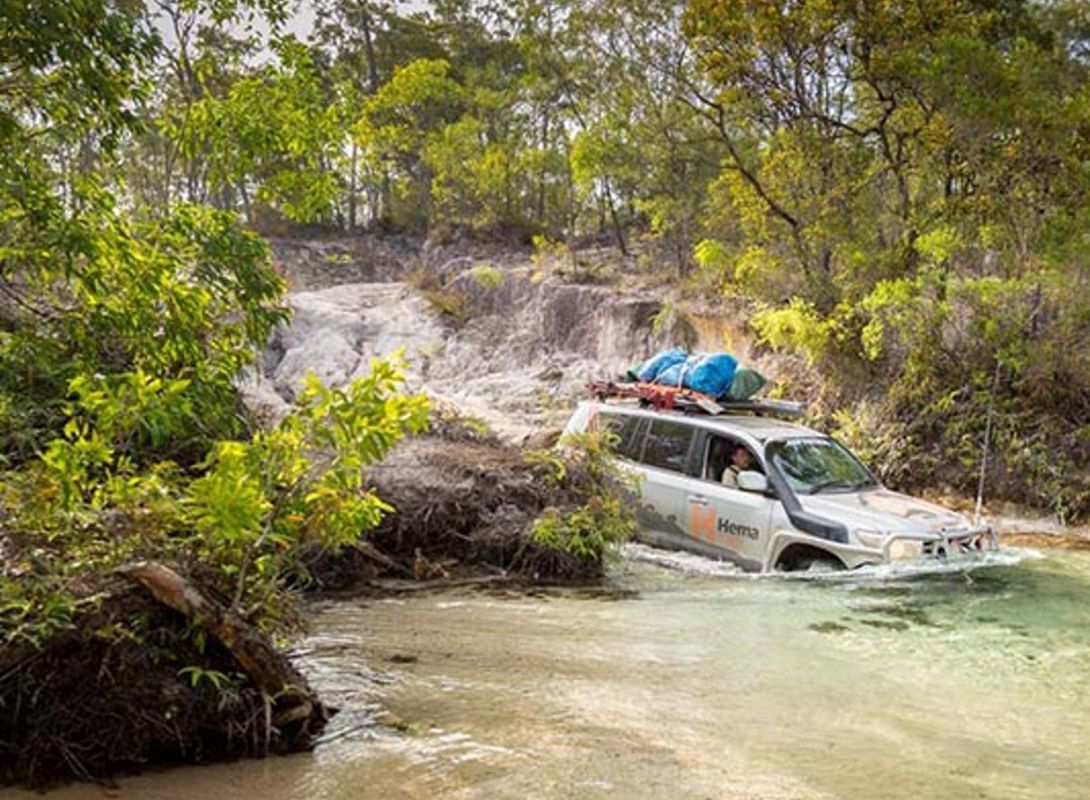
Four-wheel driving is another big contributor to creek erosion. Many of these drivers appreciate the environment and are unaware of the damage they are doing. Driving on established tracks has a small environmental impact, but driving off-track or up the creek itself causes significant environmental damage. Off-track driving uproots and destroys vegetation, displaces rocks, destabilises soil and injures or kills wildlife by crushing platypus burrows, beaching aquatic life and running over snakes and turtles.
Pollution
Pollution can be in the form of chemicals, rubbish, increased salinity, increased sediment levels, and many other factors. The reason platypus are so susceptible to water pollution is down to their food, macroinvertebrates. Many macroinvertebrates are very sensitive to pollution and are unable to survive in compromised waters. The lack of food displaces platypus populations and they are forced to seek new territory. Not only does this put them in danger as they travel across unfamiliar terrain, encounter challenges such as roads, predators and other territorial platypus, but if they are unsuccessful, they will starve.
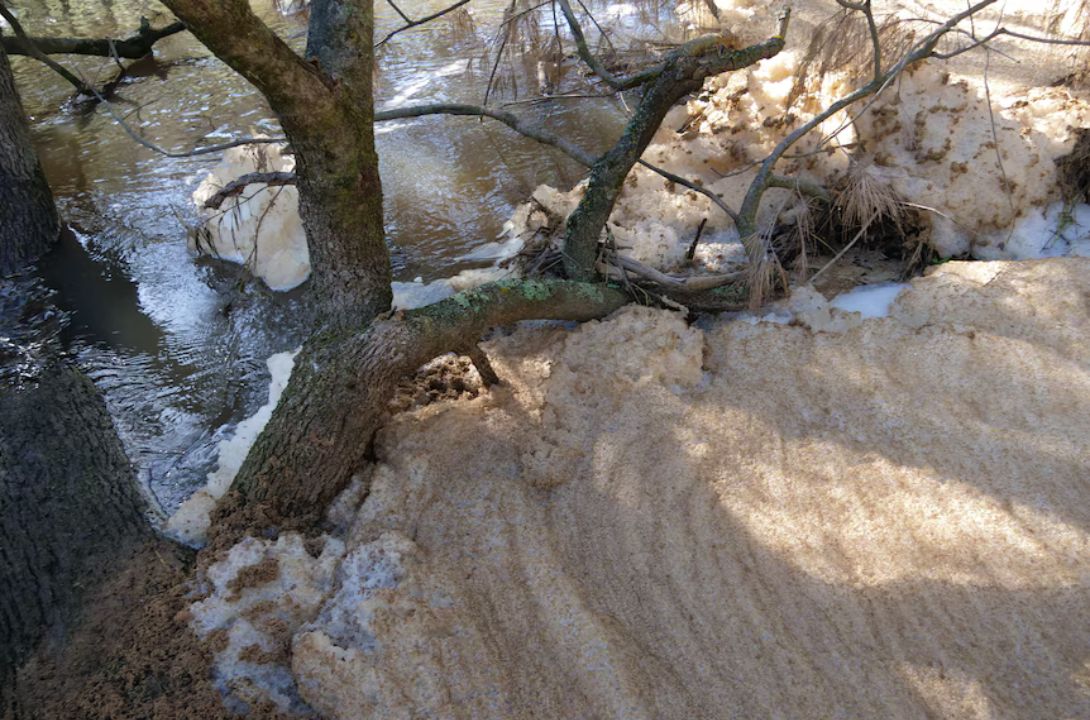
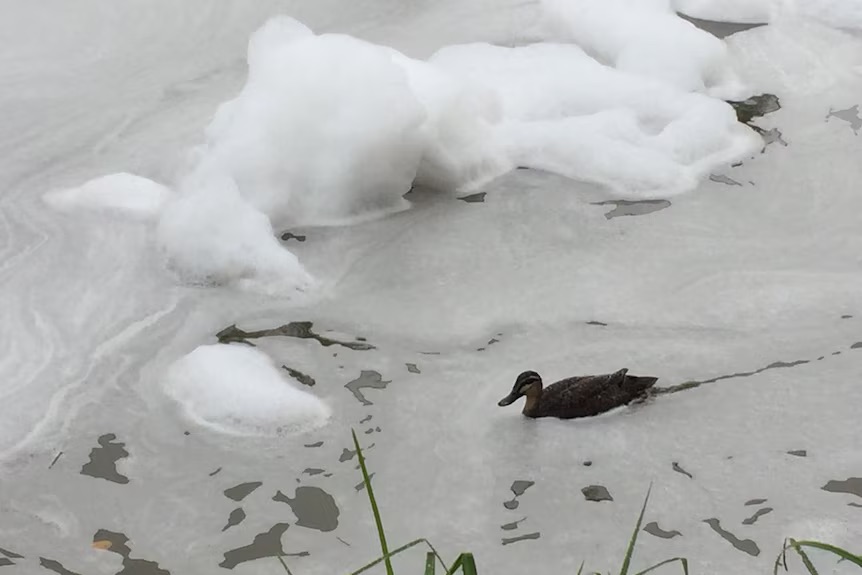
Irresponsible practices by farmers, plant nurseries, industrial businesses, mines, councils, schools, sports grounds and even individuals can have a significant effect on waterway health. The image below was caused by a cleaner washing floors in a local factory and not taking care where the run-off was going.
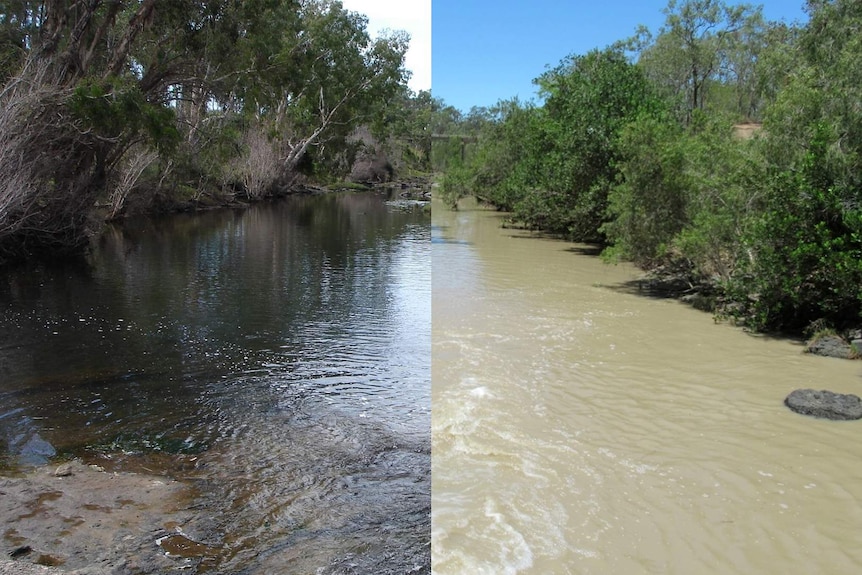
The images below demonstrate the impacts of of illegal vegetation clearing resulting is soil destabilisation. The images are of the same waterway, showing clear waters in April 2008, prior to nearly lands being cleared without permission and without plans in place for sediment run-off. After a rainfall event in October, the waterway is seen to be heavily turbid and polluted with sediment, greatly impacting native species.
Invasive Species
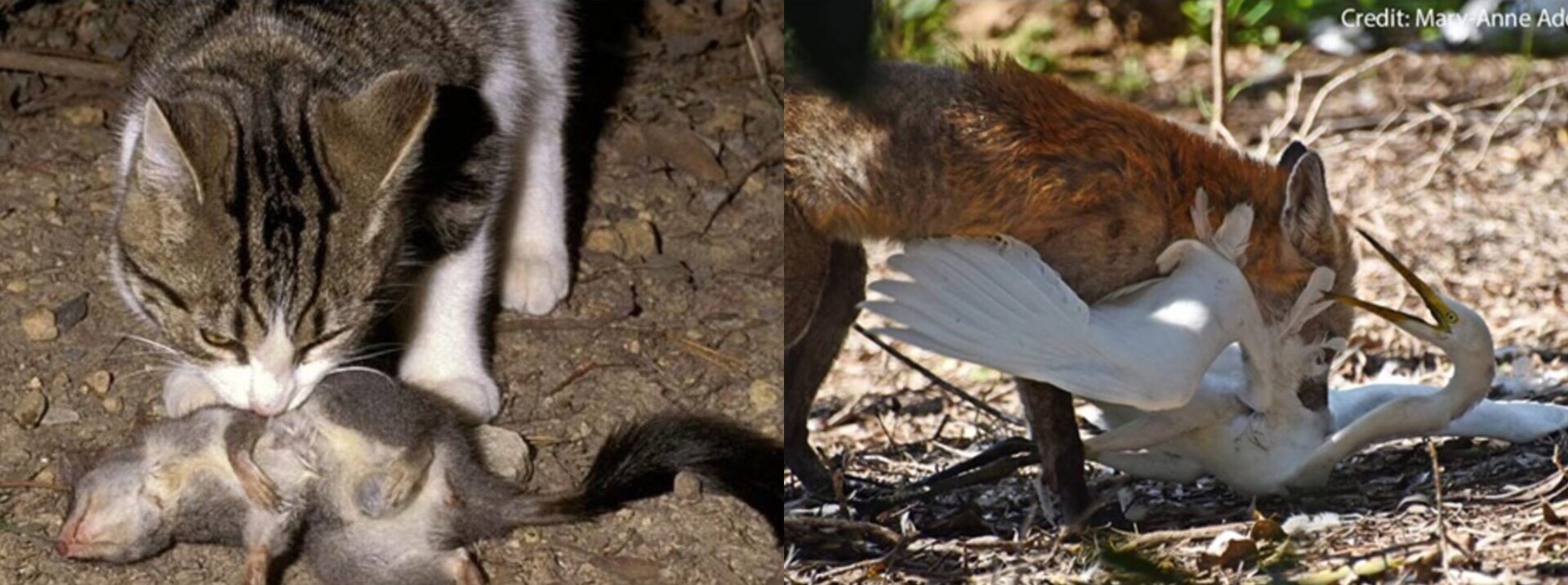
Invasive predators are problematic for all of Australia’s native species. Prior to European settlement, the Australian ecosystem was in perfect balance with only a few apex predators at the top of the food chain whose numbers remained relatively small, as they should do. The introduction of cats and foxes has been catastrophic for native species, which don’t have the evolutionary, ingrained understanding to avoid these creatures effectively. They have bred extensively in the wild and cats alone (both feral and pets) are responsible for killing over 2 billion native animals each year. Cats are particularly deadly as they have very harmful bacteria in their mouths and their moist nail beds, combined with incredibly sharp teeth and nails. This means that they only need to lightly grab or scratch an animal to deposit this deadly bacteria into the body of their victim. So even if the animals escapes, the wound heals quickly, trapping the bacteria inside the body and resulting in the animal’s death within 12 – 24 hours unless they receive antibiotic treatment. Platypus are at great risk from foxes and cats who prey on them when they are on land or in their burrows. Pet dogs are also a risk to platypus and must be kept under control around waterways.
Native Predators
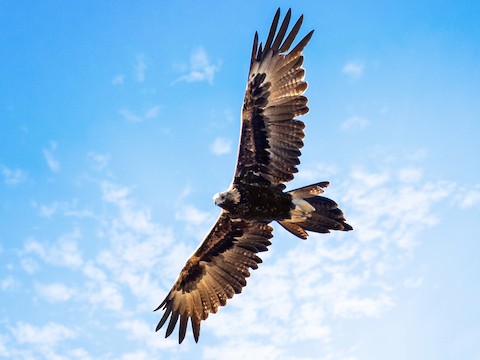
There are some native predators that platypus need to watch our for as well, although not many. Their biggest natural predators are birds of prey. Another natural predator is the quoll, but having been severely impacted by cane toads, their populations are so reduced now that the threat to platypus is very low. Snakes will also make a meal of a platypus if they find one. Thick riparian vegetation surrounding waterways serves to protect platypus from predators and historically, there has been no negative impacts to platypus populations from natural predators. The food chain was simply kept in balance.
Rubbish
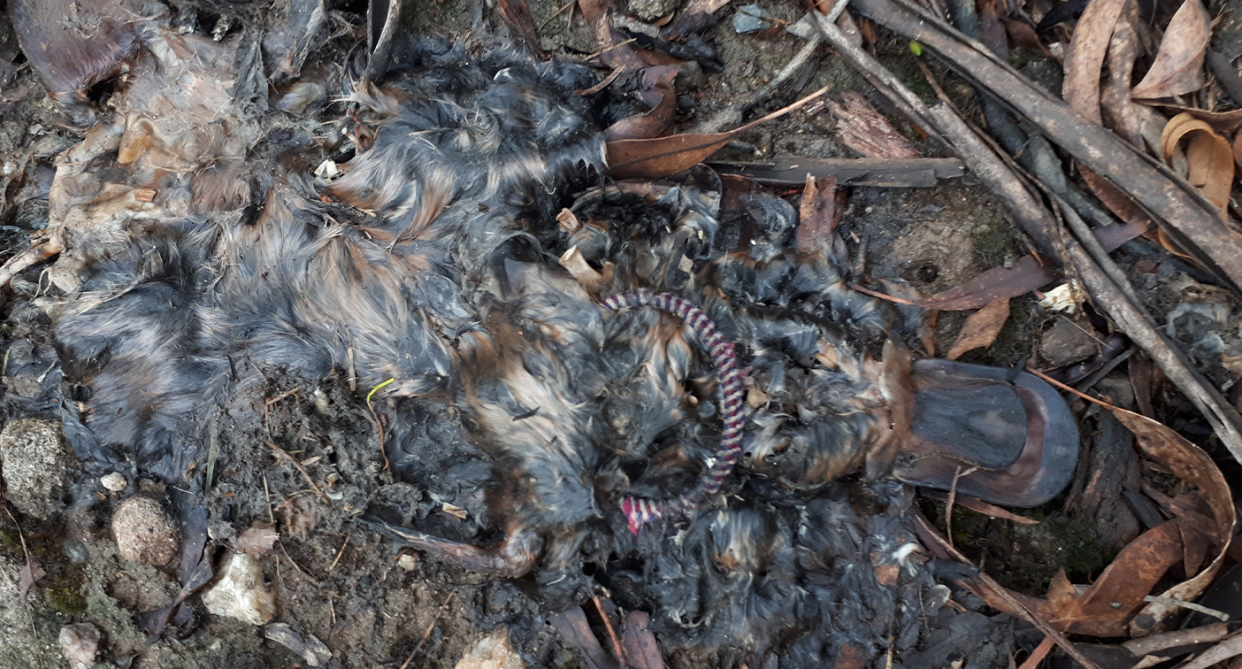
Although we have already mentioned that rubbish is a form of waterway pollution, we must also draw attention to the direct impact specific items can have on individual platypus. Circular items such as the plastic ring from bottle-tops, rubber-bands, hair-bands and wrist-bands can injure and kill platypus and other animals if carelessly discarded. Make sure you always cut them before you throw them away. The below platypus was found deceased with a hair tie around its neck in Canberra.
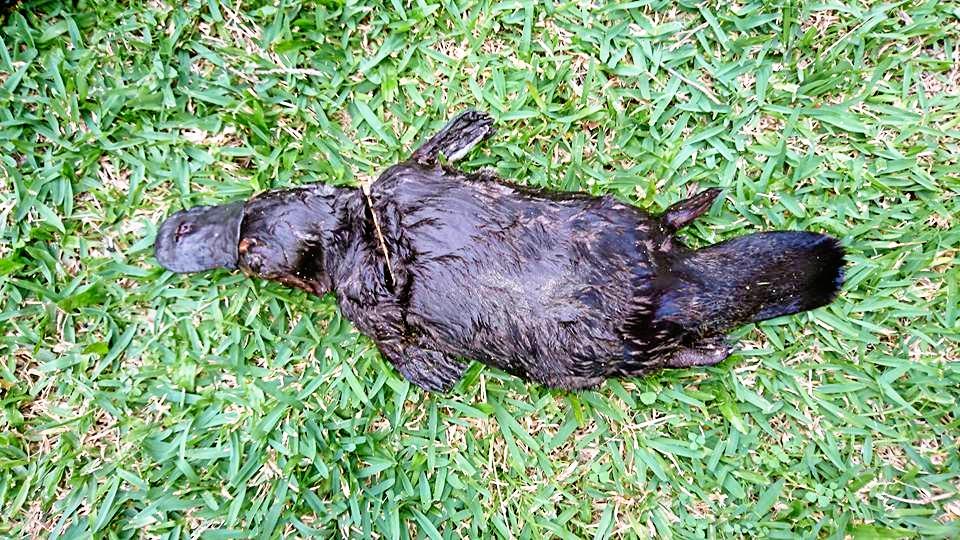
A wildlife rescue volunteer was sad to find this platypus killed by a rubber band in Bundaberg.
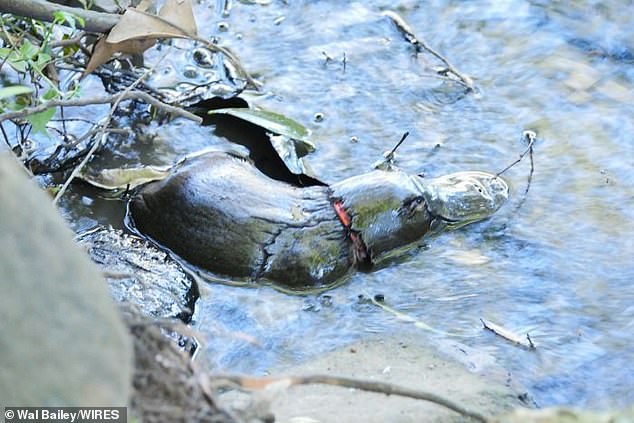
Wildlife rescuers in Lismore launched a desperate search mission for this platypus spotted with a wrist band around its neck.
An example of another animal that is heavily impacted by common rubbish is Satin Bower Birds who particularly vulnerable to the the blue rings from milk bottle lids as they collect and display blue objects as part of their mating ritual.
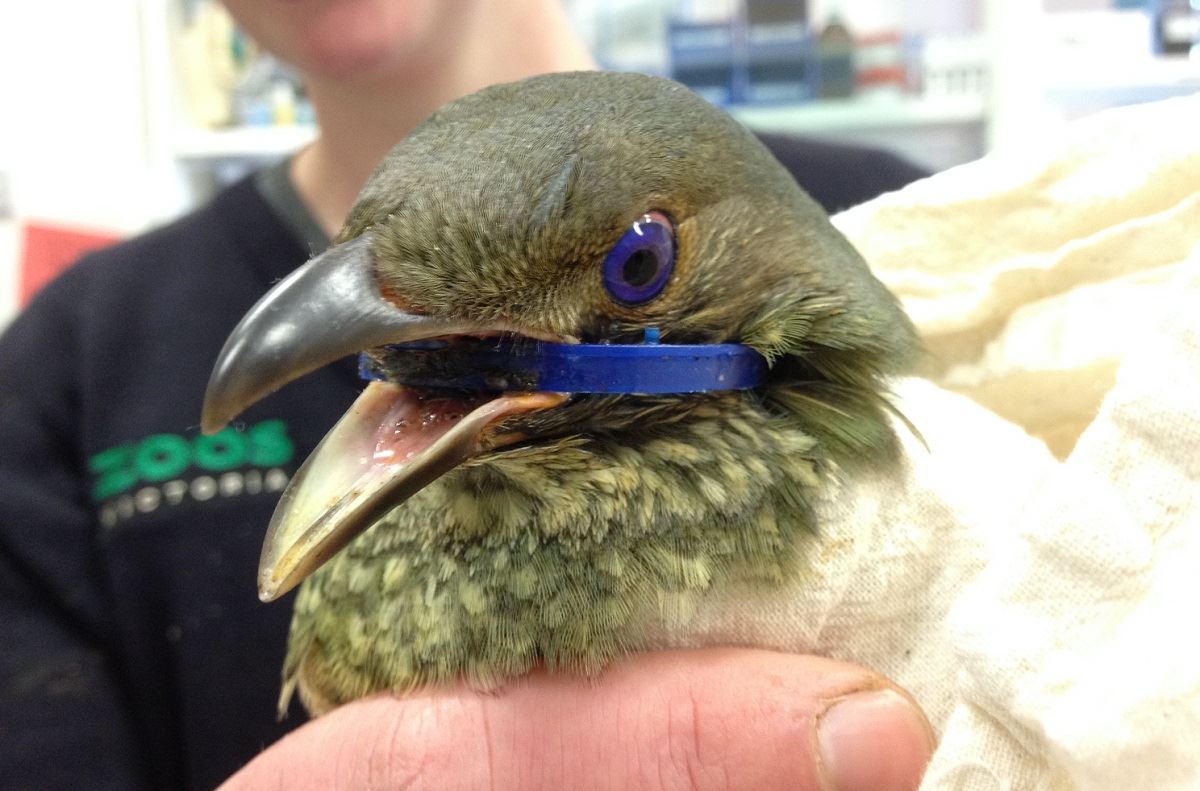
Discarded fishing line, balloons, wire, bottles, plastic bags… the list goes on. Wrap it up, cut it where necessary and put it in the bin, and if you see rubbish, please collect it as long as it’s safe to do so.
Yabby Nets
Opera-house style yabby nets are one of the most upsetting threats platypus face today, as the deaths they cause are completely preventable. These yabby nets present significant danger to many creatures such as turtles and rakali, but they are particularly dangerous for platypus.
The reason platypus are particularly vulnerable to opera-house nets is down to the way they hunt. Remember they swim with their eyes shut and detect electro-sensory waves given off by their pray, such as yabbies! Platypus will head for the yabbies, unaware that there is a net around them. Due to the design of the trap they are able to easily swim into the net but find it very difficult to get out. Platypus can easily swim into an empty net by accident as well. Turtles and other victims may be able to work out how to exit the net and return to the surface before they run our of air (although it is unlikely), but platypus can’t survive for very long under water, so they don’t have time to work out how to escape before they perish.
The image below on the left was an adapted opera house net that was found with 9 platypus inside. That is potentially an entire waterway population killed in one go, resulting in a platypus extinction event in that waterway.
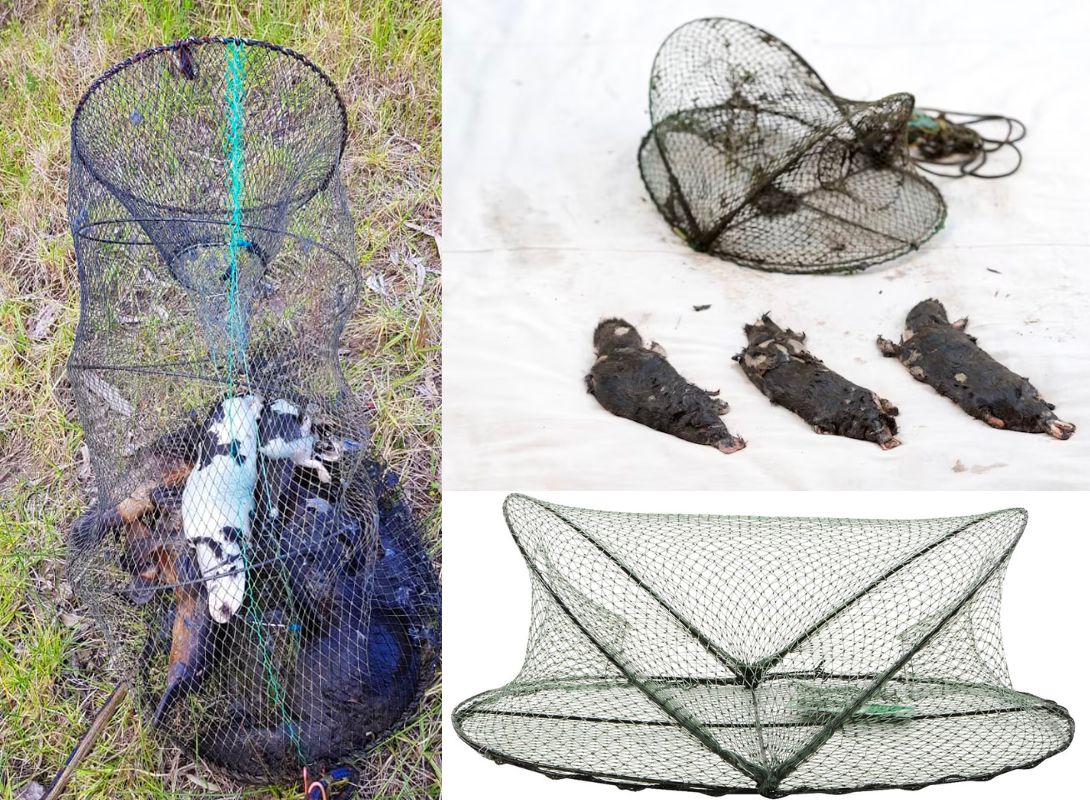
Opera house nets are banned in Victoria and New South Wales, however they are widely available here in Queensland.
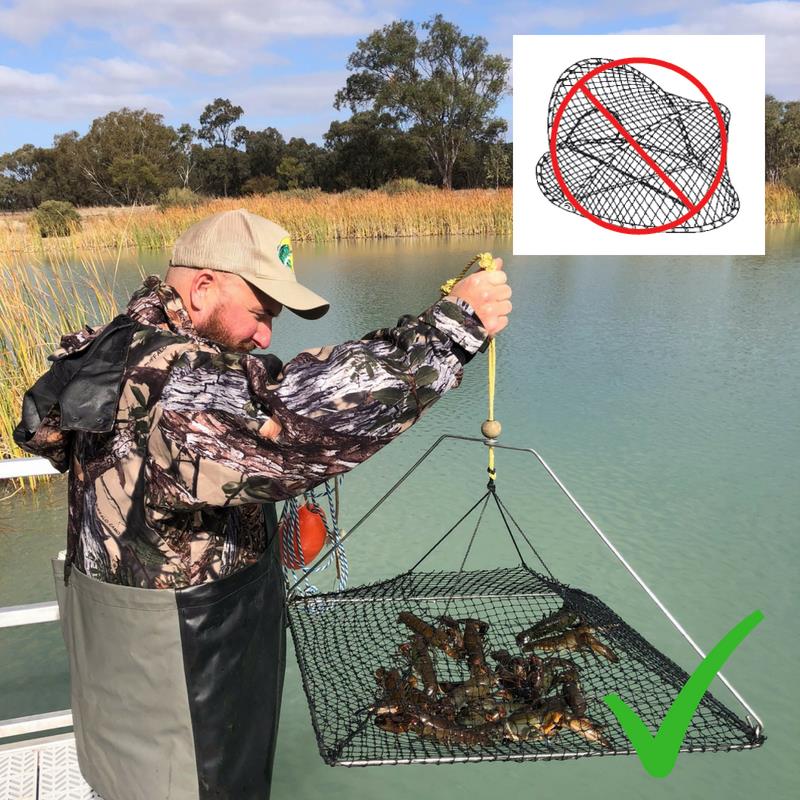
If you want to catch some yabbies, you can use the pyramid net, as demonstrated below. Not only have they been proven highly effective in catching yabbies, they don’t present any danger to platypus and other air-breathing swimmers who can swim out of the top. Yes you may lose your catch, but you would stil lose your catch in an opera house net, the trapped animal would eat the yabbies before it perished.
Drought
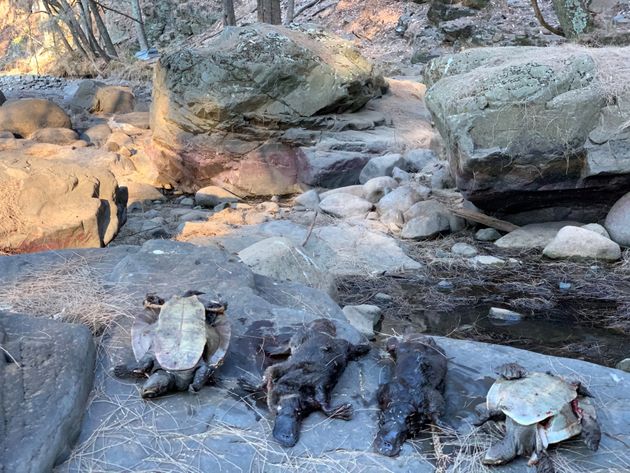
In natural circumstances, platypus are very resilient to drought conditions as they have been dealing with them for millions of years. However in recent times, drought has been observed to heavily impact platypus who are living in in environments which are being impacted by people. During the 2019/2020 drought, Queensland platypus exhibited natural behaviours, moving up and down waterway systems to seek deeper, drought resistant pools and reserve burrows to wait out the drought. However, many platypus unfortunately found that their safety pools had been drained by water by extraction activities from big companies for bottles drinks, small businesses such an plant nurseries, and individuals watering their gardens. This meant that many platypus and other aquatic animals died during this drought.
On the Gold Coast, a number of dead platypus were found and unfortunately, living platypus have not been seen again at these sites. Along the Manning River in New South Wales, illegal damming and water extraction activities led conservationists to extreme measures of rescuing dying platypus and bringing them in for rehabilitation. The platypus recovered were found to have empty stomaches and be riddled with E.coli and other bacteria due to the rancid water quality.
Please help to raise awareness of how humans can worsen drought conditions for native species, and in times of drought, make sure to keep an eye on your local platypus population and report any concerns to PlatypusWatch.
Now, this has been quite a depressing section of the course (for us too!) but don’t worry, all hope is not lost! We’re now going to move on to some more positive material. We’ll tell you about all the wonderful work that is being done to try and save this iconic species and how you can get involved!