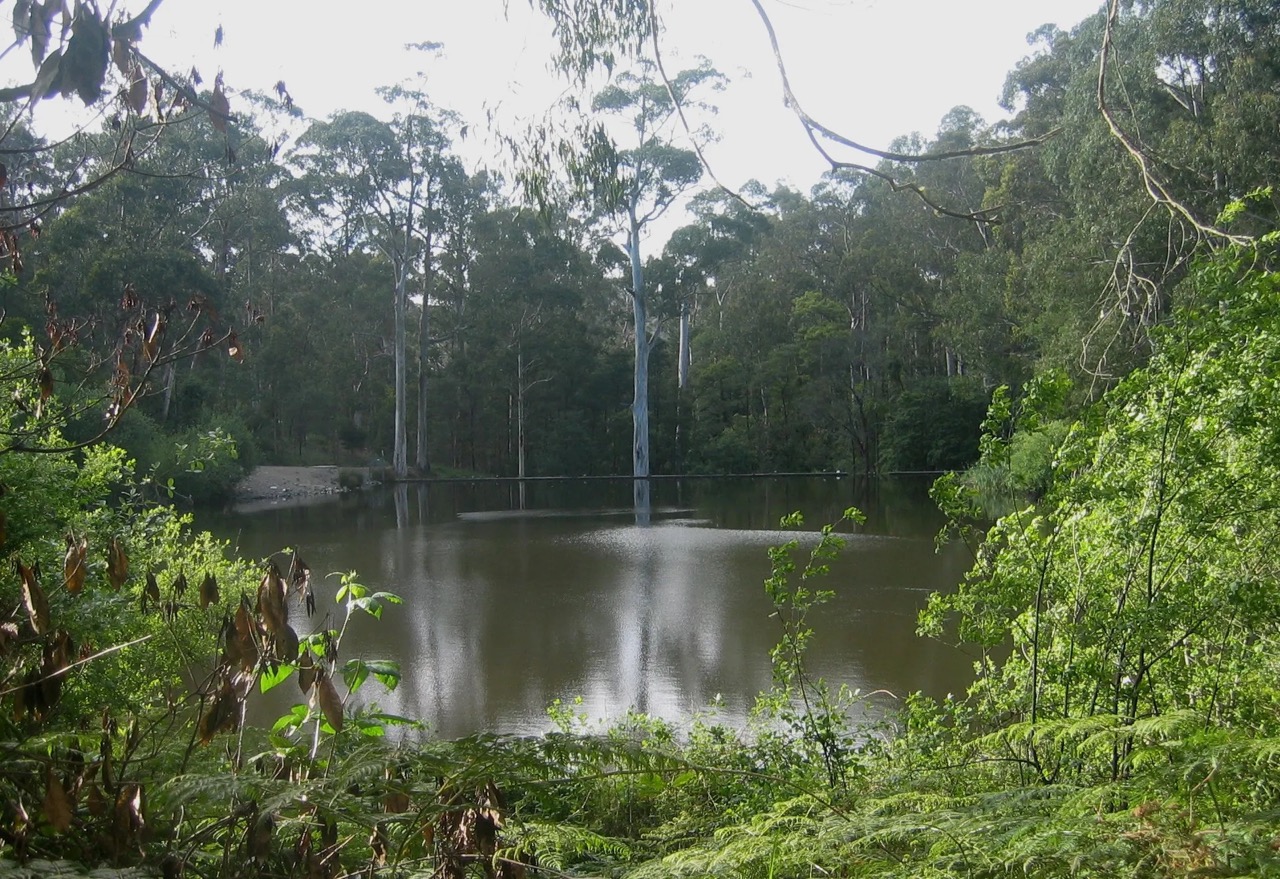
Platypus Habitat
Platypus live in freshwater rivers and creeks and will centre their lives in and around their burrows. They will travel around 1km from the burrow in either direction to forage for food so have a total habitat size of around 2km. Within that area, platypus will ideally have a number of riparian features that help them to stay healthy, protected and enable them to survive severe weather conditions.
Weather Protection
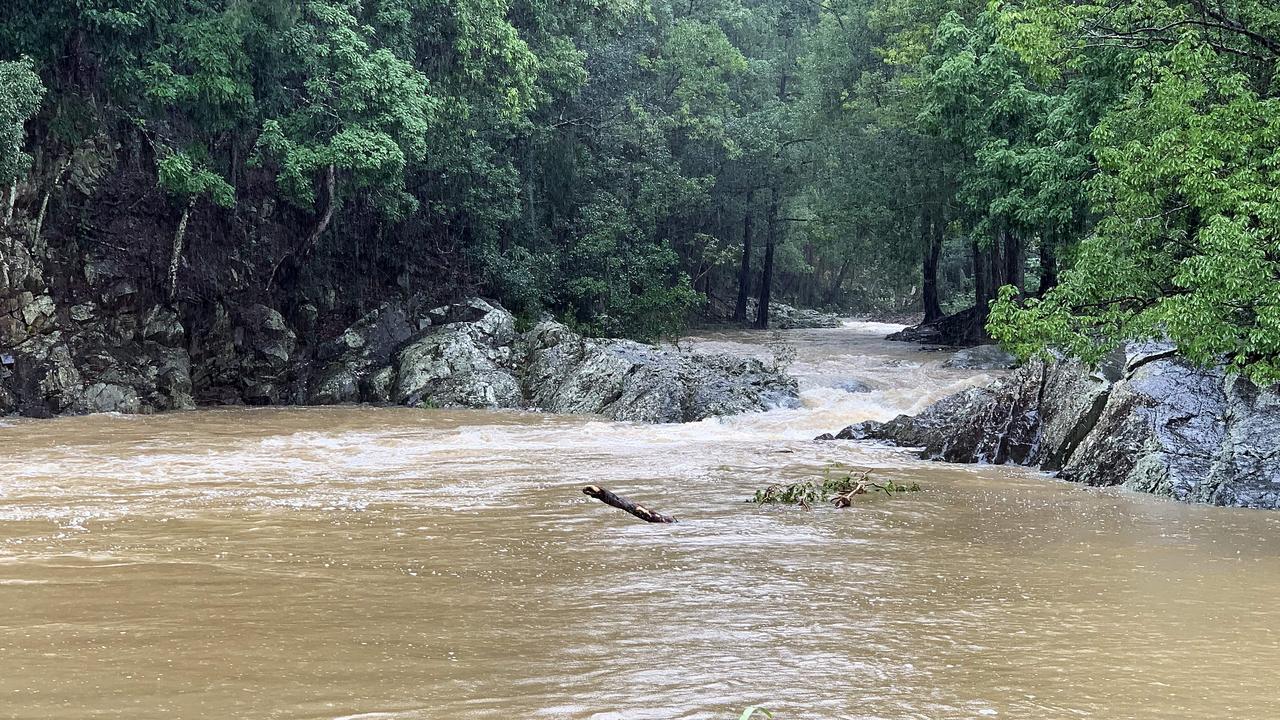
Heavy rain and flooding occur regularly up and down the East coast of Australia. Platypus require waterways with high riverbanks to enable them to build burrows above the waterline and retreat from rising floodwaters. Platypus also require vegetated waterways to ensure that their burrows are well-supported and to prevent significant erosion. Platypus will occupy a number of different burrows and will move around when extreme weather occurs. Having dealt with these conditions for millions of years, platypus are highly resilient to extreme weather in natural conditions. When human tamper with waterways by clearing vegetation and changing their course, this is when problems occur for platypus and other native species. The image below is Mudgeeraba Creek during a flooding event. You can see how the heavily vegetated, high riverbanks provide ample protection for platypus.
Predators
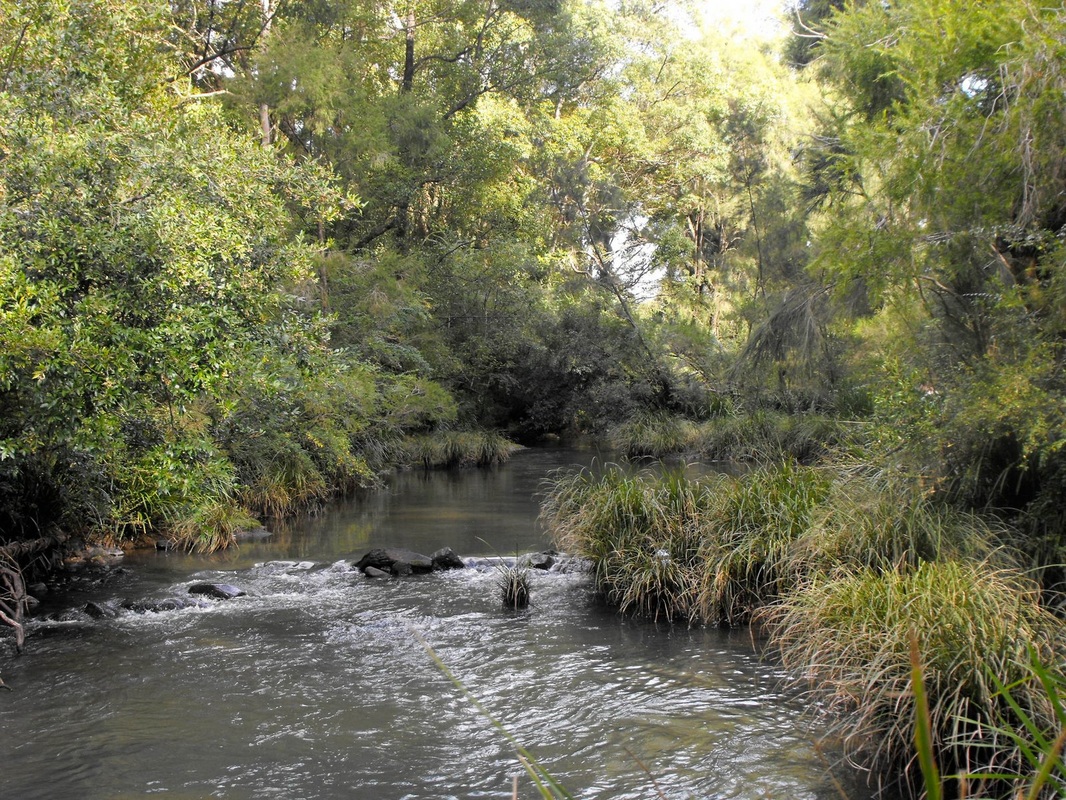
Natural predators of platypus include birds of prey, snakes, goannas and quolls. Thick and over-hanging native vegetation around the water’s edge helps the platypus to stay hidden. Naturally, most rivers and creeks in Australia would usually be surrounded by forests, woodland and bush which provide shade and coverage for platypus and other aquatic animals to leave the water and move around on land. However, many creeks and river systems are now highly exposed due to European settlement clearing. The image blow depicts a heavily vegetated waterway providing great protection for platypus.
Food
Platypus need to eat around 20% of their body weight in food per day, that’s approximately 500g of macroinvertebrates! This increases to even more for nursing mothers. This means platypus will ideally find a habitat that contains multiple micro-environments that support waterbugs so plenty of riffles, strong edges and plenty of pools of varying depth. Platypus are shallow divers (generally no more than a few metres), but a habitat range with pools of varying depth will help support them in times of drought.