How we survey platypus
We survey platypus twice a year; during breeding season (August/September) and puggle emergence season (March/April). These are the most active times of the year and the give us the most reputable observation of platypus presence. The more volunteers we have, the more sites we can cover and the more data we can collect. Surveys are conducted on a Saturday or a Sunday morning and inducted volunteers can take part in as many surveys as they like!
Surveys are conducted at dawn as this is the best time to see them. Platypus are mostly nocturnal creatures and will spend the nights foraging for food. It is not possible for us to survey them at night because we can’t see them. Any use of torches or lights would be sure to scare the platypus away. This is why dawn is an ideal time. Platypus will usually stay out hunting for a while and retreat to their burrow when the sun is shining and the day is in full swing. It is possible to see platypus at dusk as well, however we find that people are often still out walking their dogs, having BBQ’s and making noise in the evening so dawn is definitely preferable.
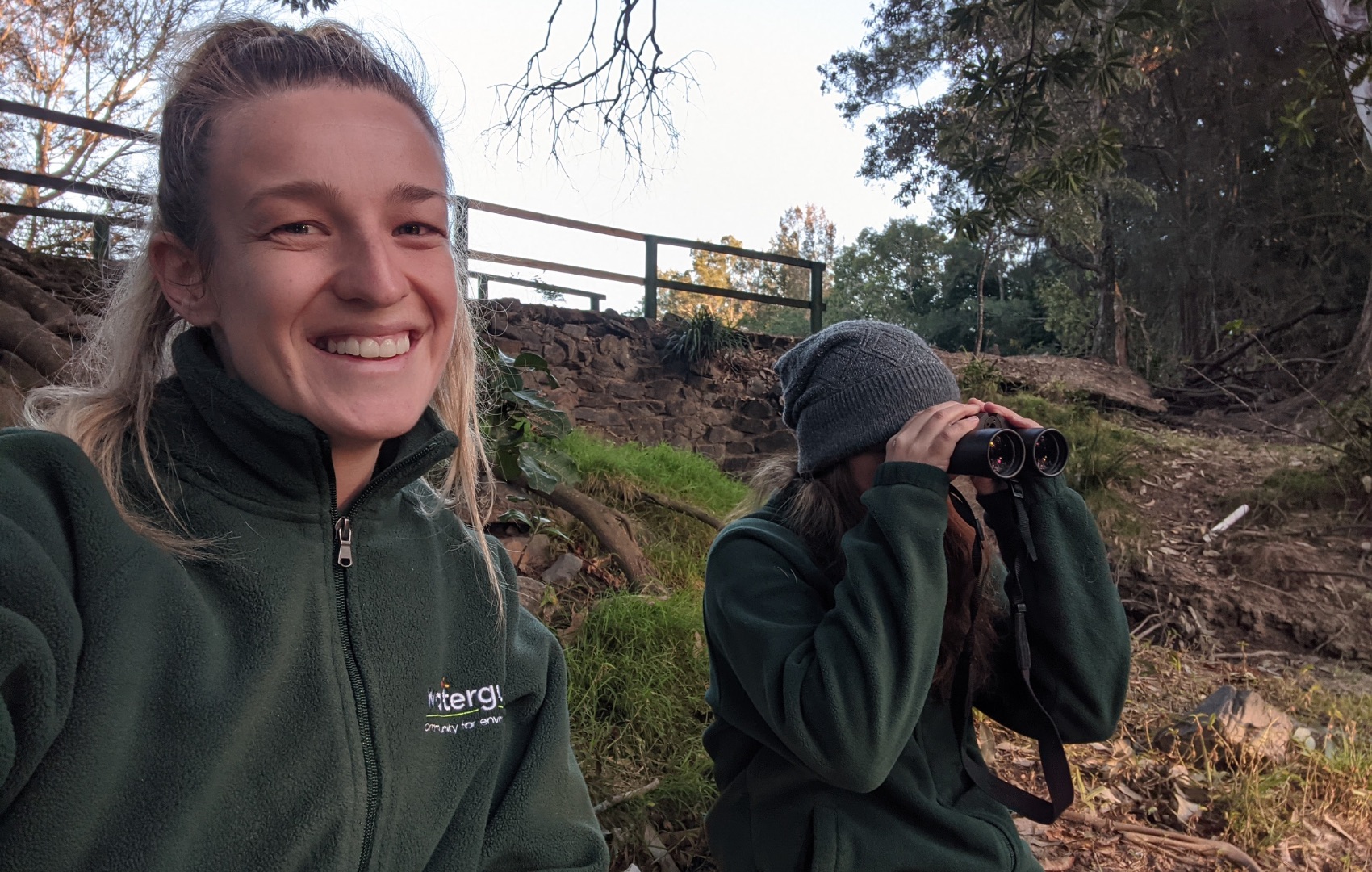
To complete a thorough and reliable platypus survey we would ideally like to have volunteers stationed every 2km along the waterway. Platypus will generally swim up to 1km from the burrow in each direction looking for food, so 2km is the ideal spacing to make sure we see every platypus but don’t get any duplicate sightings.
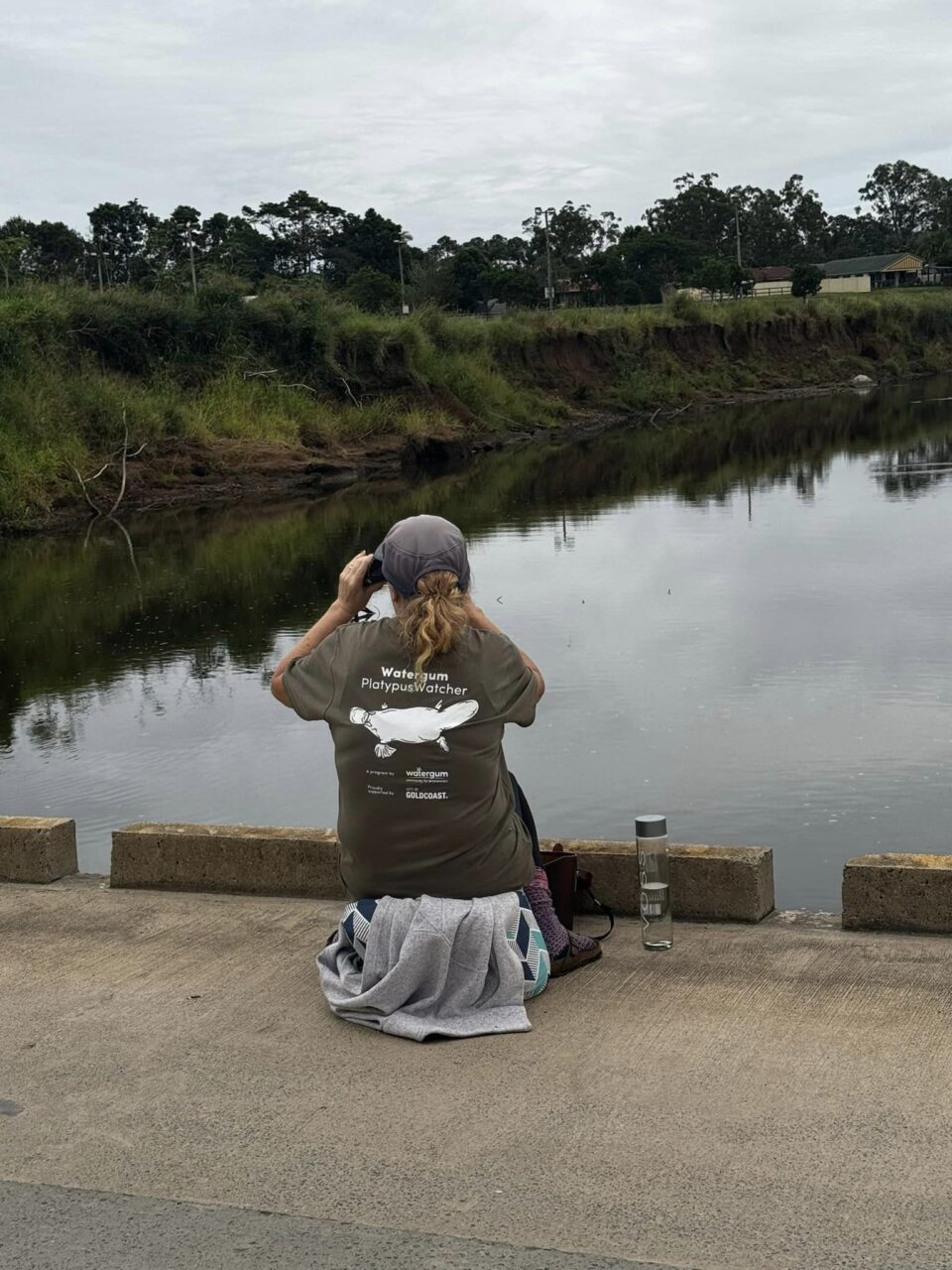
Volunteers will travel in pairs or family groups to their site and spread out along the water’s edge, allowing them to collectively view the entire area. Binoculars help volunteers to confirm their sightings and make sure there are no cases of mistaken identity. Platypus are wary creatures so volunteers need to keep as quite and as still as possible.
The survey will last for around 2 hours by which time the sun will be up and the platypus will have gone to bed. While on site, volunteers will also conduct a habitat assessment taking note of water conditions, the state of the river banks and noting down anything worrying such as erosion or pollution.
When survey season commences, you will receive an email invitation to register for the upcoming surveys. You simply need to email back with the following information;
- The surveys you would like to participate in.
- List and friends and family you with to be partnered with (if you are coming on your own we will pair you up with another volunteer).
- Your physical abilities, so we can allocate you to an appropriate site.
You will receive an email back from of confirming your spot on the survey and then you will just need to hang tight until the week for the survey when site allocations and further instructions will be emailed to you.