Understanding Waterway Health
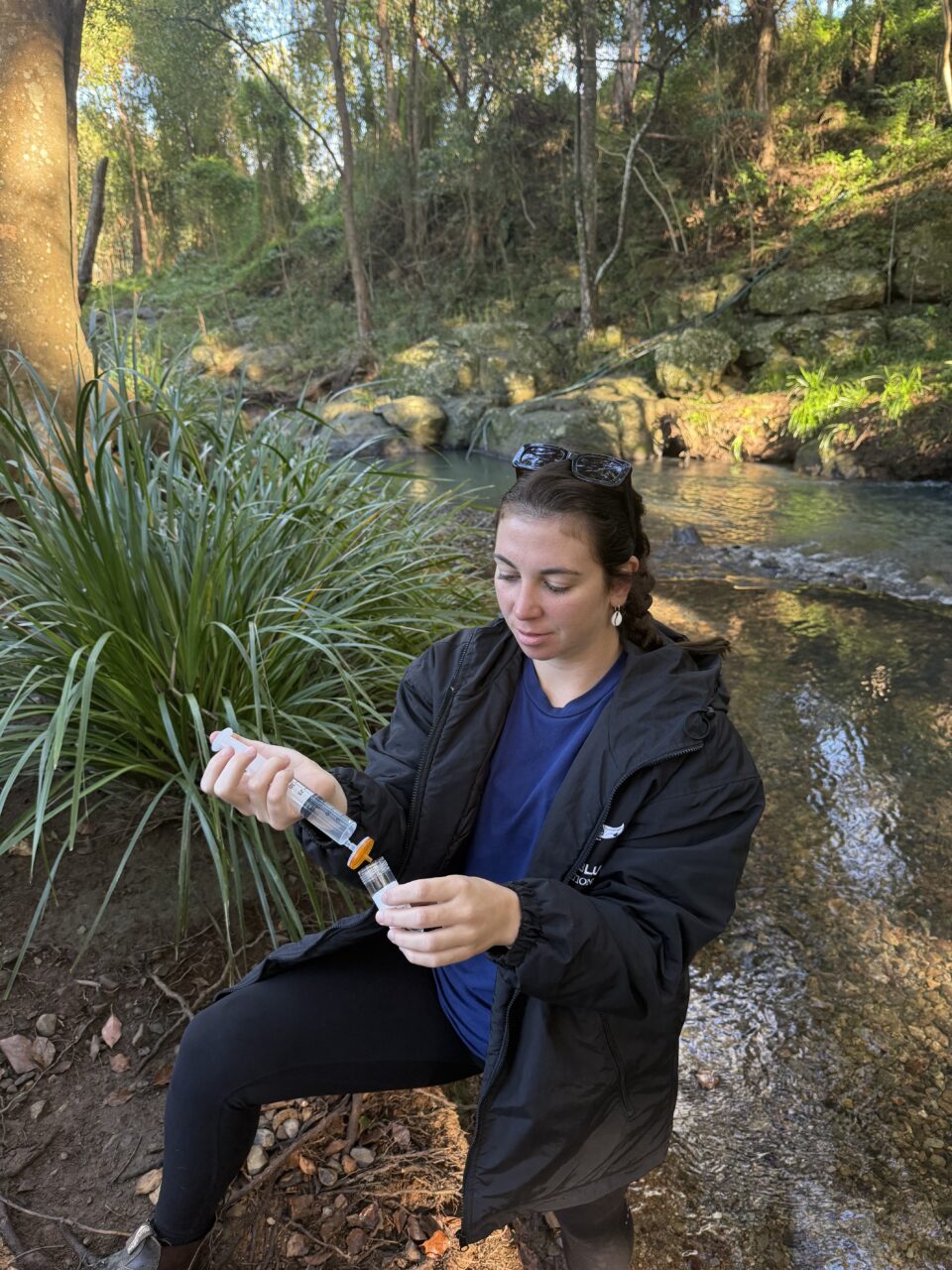
Water quality testing helps us understand how healthy a creek, river, or pond is. We do this by testing the water itself and by looking at which water bugs are living there. Water tests show us what’s happening at the time of sampling, whereas waterbugs help tell the long-term story. Together, they give us a better picture of the waterway’s health.
Physical features like plants, rocks, flow, and shade all shape a waterway. Fast-moving water brings in oxygen, and shady spots help keep the water cool. A mix of rocks, mud, plants, and depth gives water bugs more places to live and hide. Healthy waterways usually have a variety of these features.
We also test the water using health indicators like temperature, pH, dissolved oxygen, salinity, turbidity (how clear the water is), and nutrients. These tests can show if the water is too warm, too salty, or has high levels of nutrients like nitrogen or phosphorus that can lead to algal growth. Some bugs can handle harsh conditions, but others can’t so changes in the water conditions and chemistry will affect what bugs are found.
Human activity has a big impact on waterways. Runoff from roads, farms and gardens can wash chemicals and dirt into creeks. Removing plants or logs takes away food and shelter. Pollution, dams and changes to water flow can all make life harder for waterbugs and the animals that depend on them. By keeping an eye on these things, we can better protect our waterways.